
Description
Dental health is a critical part of your child’s overall well-being. Unfortunately, tooth decay in preschoolers is a common issue that many parents underestimate. Early dental problems can lead to pain, infections, and long-term oral health complications. Recognizing the signs of decay and taking preventive measures is essential for keeping your child’s smile healthy and strong. In this article, we explore the causes, symptoms, prevention strategies, and professional treatments related to tooth decay in preschoolers.
What is Tooth Decay in Preschoolers?
Tooth decay in preschoolers refers to the destruction of the enamel, the hard outer layer of a child’s teeth, caused by bacteria. These bacteria feed on sugars from foods and drinks, producing acids that wear down the enamel. In preschool-aged children, tooth decay often develops rapidly because their enamel is thinner and more susceptible to acid attacks.
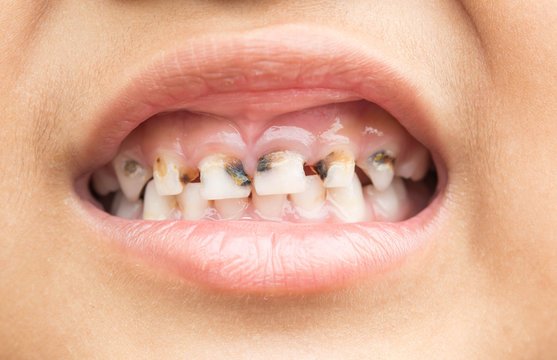
Early decay can manifest as white spots or discoloration on the teeth. If untreated, it can progress to cavities, causing discomfort and infection. Understanding what tooth decay in preschoolers looks like is the first step in preventing long-term dental issues.
Common Causes of Tooth Decay in Young Children
Several factors contribute to tooth decay in preschoolers:
Sugary Foods and Drinks: Frequent consumption of candy, juice, and soda provides fuel for cavity-causing bacteria.
Poor Oral Hygiene: Inadequate brushing and flossing allow plaque to build up, accelerating decay.
Prolonged Bottle Use: Bedtime bottles with milk or juice can coat teeth in sugar overnight.
Lack of Fluoride: Fluoride strengthens enamel and prevents decay. Children without adequate fluoride exposure are at higher risk.
Genetic Factors: Some children may inherit weaker enamel or a higher susceptibility to cavities.
Parents must recognize these risk factors to effectively prevent tooth decay in preschoolers.
Early Signs of Tooth Decay in Preschoolers
Spotting tooth decay in preschoolers early can save your child from painful dental procedures. Common signs include:
White or brown spots on teeth: The first visible indicator of enamel breakdown.
Tooth sensitivity: Complaints of pain when eating hot, cold, or sweet foods.
Bad breath: Persistent odors may signal bacterial growth.
Difficulty chewing: Children may avoid certain foods due to discomfort.
Swollen or red gums: Infection from decay can affect the surrounding tissue.
If you notice these symptoms, it’s time to consult a pediatric dentist. Professionals, like those at Broadway Family Dentistry, can provide accurate diagnoses and early interventions to prevent decay from worsening.
How Tooth Decay Affects Overall Health
Many parents assume dental problems are isolated to the mouth, but tooth decay in preschoolers can impact overall health. Untreated cavities may lead to:
Infections: Bacteria from cavities can spread to the bloodstream, causing more serious health issues.
Poor Nutrition: Painful teeth may prevent children from eating properly, leading to nutritional deficiencies.
Speech Development Issues: Severe decay can affect the growth and alignment of teeth, influencing speech patterns.
Self-Esteem Problems: Visible decay can impact a child’s confidence and willingness to smile.
Recognizing the broader implications emphasizes the importance of early detection and care for tooth decay in preschoolers.
Prevention Strategies for Tooth Decay
Preventing tooth decay in preschoolers is easier than treating it. Effective strategies include:
Establish a Brushing Routine: Brush your child’s teeth twice daily with a small amount of fluoride toothpaste.
Limit Sugary Snacks: Replace candies and sugary drinks with water, fruits, and vegetables.
Regular Dental Checkups: Visit a pediatric dentist every six months for preventive care.
Fluoride Treatments: Ask your dentist about fluoride varnish or supplements if your water supply lacks fluoride.
Dental Sealants: Protective coatings can shield molars from decay.
Consistency in these practices significantly reduces the risk of tooth decay in preschoolers.
Dietary Habits That Promote Healthy Teeth
Nutrition plays a key role in preventing tooth decay in preschoolers. Focus on foods that strengthen enamel and reduce bacterial growth:
Calcium-Rich Foods: Milk, cheese, and yogurt fortify teeth.
Fiber-Rich Fruits and Vegetables: Apples, carrots, and leafy greens help clean teeth naturally.
Limit Sugary Drinks: Replace sodas and sweet juices with water.
Healthy Snacks: Nuts, seeds, and whole grains provide essential nutrients without promoting decay.
Educating children early about healthy eating habits lays the foundation for lifelong oral health and reduces the risk of tooth decay in preschoolers.
Professional Treatments for Tooth Decay
Even with prevention, some children may develop cavities. Dental professionals offer several treatments for tooth decay in preschoolers:
Fluoride Application: Strengthens weakened enamel and reverses early decay.
Dental Fillings: Remove decayed material and restore tooth structure.
Crowns: Used for extensive decay to protect the tooth.
Extractions: In severe cases, decayed teeth may need removal to prevent infection.
Visiting experts at Broadway Family Dentistry ensures that your child receives safe, child-friendly care to treat and manage decay effectively.
Encouraging Long-Term Oral Health Habits
Teaching children good oral hygiene early can prevent tooth decay in preschoolers and establish habits for life:
Model Good Behavior: Children mimic parents; brush and floss together.
Make Brushing Fun: Use timers, songs, or rewards to engage your child.
Educate About Foods: Explain which foods are “tooth-friendly” and which are harmful.
Regular Dental Visits: Normalize dentist appointments as routine rather than scary experiences.
Fostering these habits ensures a healthy smile that lasts well beyond the preschool years and reduces the likelihood of tooth decay in preschoolers.
Conclusion
Tooth decay in preschoolers is a preventable condition with potentially serious consequences if ignored. Recognizing early signs, encouraging healthy habits, and seeking professional care from trusted providers like Broadway Family Dentistry are essential steps for every parent. By taking proactive measures, you can protect your child’s teeth, support their overall health, and instill lifelong habits for a confident, healthy smile.
Early intervention is key—don’t wait for pain or visible cavities to take action. Your child’s oral health starts today, and with proper care, tooth decay in preschoolers can be effectively prevented.
Categories
Contact Information
- https://broadwayfamilydentists.com/tooth-decay-in-preschoolers/



Add a review