
Description
Dental health is crucial for overall well-being, yet many people often overlook the early signs of tooth problems. Among the most common dental conditions affecting the inner part of your teeth are Irreversible Pulpitis and reversible pulpitis. Understanding the differences between these two conditions can save you from unnecessary pain and costly treatments. In this article, we explore the key distinctions, symptoms, causes, and treatment options for Irreversible Pulpitis and reversible pulpitis.
What is Reversible Pulpitis?
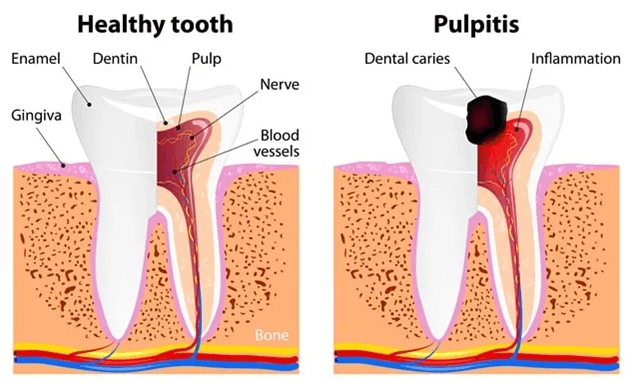
Reversible pulpitis is a mild inflammation of the dental pulp, which is the innermost part of the tooth containing nerves and blood vessels. This condition usually occurs due to minor tooth decay, slight trauma, or irritation from dental procedures. Unlike Irreversible Pulpitis, the pulp is still healthy enough to recover once the underlying cause is addressed.
Common symptoms of reversible pulpitis include sensitivity to hot, cold, or sweet foods and drinks. The discomfort is usually temporary and subsides once the stimulus is removed. Prompt attention to these symptoms can prevent further damage and the progression to Irreversible Pulpitis.
Understanding Irreversible Pulpitis
Irreversible Pulpitis is a severe inflammation of the dental pulp that cannot heal on its own. This condition is often the result of deep cavities, repeated dental procedures, trauma, or cracks in the teeth that allow bacteria to reach the pulp. Once the pulp becomes irreversibly damaged, it cannot regenerate, making timely dental intervention essential.
Symptoms of Irreversible Pulpitis are more intense compared to reversible pulpitis. They include persistent toothache, severe pain while biting or chewing, and prolonged sensitivity to temperature changes. If left untreated, the infection can spread beyond the tooth, potentially leading to abscesses and other complications.
Causes of Reversible and Irreversible Pulpitis
Both reversible and Irreversible Pulpitis share similar triggers but differ in severity. Reversible pulpitis is often caused by:
Early-stage tooth decay
Mild dental trauma
Irritation from dental fillings or procedures
On the other hand, Irreversible Pulpitis occurs due to more severe factors, including:
Deep cavities reaching the pulp
Cracked or fractured teeth exposing the pulp
Advanced gum disease allowing bacterial infiltration
Multiple or aggressive dental treatments that stress the tooth
Understanding these causes helps in implementing effective Dental Care Tips to prevent the progression from reversible to irreversible conditions.
Key Symptoms to Identify Each Condition
Recognizing the differences in symptoms is crucial for proper diagnosis:
Reversible Pulpitis: Short, sharp pain triggered by heat, cold, or sweets; pain stops once the stimulus is removed; generally no swelling.
Irreversible Pulpitis: Persistent, throbbing pain that may occur spontaneously; intensified discomfort when biting; possible swelling and sensitivity even without stimuli.
Early detection and differentiation are vital to avoid severe outcomes associated with Irreversible Pulpitis.
Diagnostic Procedures for Pulpitis
Dentists use several diagnostic tools to differentiate between reversible and Irreversible Pulpitis:
Clinical Examination: Checking for visible cavities, cracks, or gum issues.
Pulp Vitality Tests: Cold or electric pulp tests help assess nerve health.
X-rays: Identify deep decay or infection reaching the pulp.
Percussion Tests: Tapping the tooth to detect pain intensity and inflammation.
Accurate diagnosis ensures that reversible pulpitis can be treated conservatively, while Irreversible Pulpitis requires more advanced interventions such as root canal therapy.
Treatment Options: Reversible vs Irreversible Pulpitis
The treatment approach differs significantly for the two conditions:
Reversible Pulpitis: Removing the irritant, treating cavities with fillings, and maintaining proper oral hygiene are usually sufficient. Over-the-counter pain relievers can manage discomfort.
Irreversible Pulpitis: Since the pulp cannot recover, root canal therapy or tooth extraction may be necessary. Early intervention is critical to prevent the spread of infection.
Following these treatments, implementing proper Dental Care Tips ensures long-term oral health and prevents recurrence.
Preventive Measures and Dental Care Tips
Preventing pulpitis is always better than treating it. Here are essential Dental Care Tips:
Brush twice daily with fluoride toothpaste.
Floss regularly to remove food particles between teeth.
Limit sugary and acidic foods to prevent decay.
Visit your dentist for routine checkups and professional cleaning.
Treat cavities or cracks promptly before they reach the pulp.
By following these preventive measures, you can minimize the risk of both reversible and Irreversible Pulpitis.
Conclusion: Why Understanding the Difference Matters
Differentiating between reversible and Irreversible Pulpitis is essential for timely and effective dental care. While reversible pulpitis can heal with simple interventions, Irreversible Pulpitis requires immediate professional treatment to avoid serious complications. Being aware of the symptoms, causes, and treatments, along with following the recommended Dental Care Tips, can ensure long-lasting oral health and a pain-free life.
Taking proactive steps and seeking prompt dental attention is the key to preventing minor issues from escalating into severe conditions like Irreversible Pulpitis. Prioritize your dental health today, and your teeth will thank you tomorrow.
Categories
Contact Information
- https://dentaladvicetoday.com/irreversible-pulpitis/



Add a review